Clean, sustainable fuel for industry.
Zero Way turns crop residue into clean-burning biomass pellets, a low-carbon alternative to coal for power plants and industrial heat.
Made from India's agricultural surplus.
Our pellets are crafted from crop residue that would otherwise be burnt or wasted. They deliver consistent heat and cleaner combustion, and slot into existing boilers and kilns without disruptive change.
The result is a reliable, renewable fuel that helps industry cut emissions while giving farmers a use for their residue.
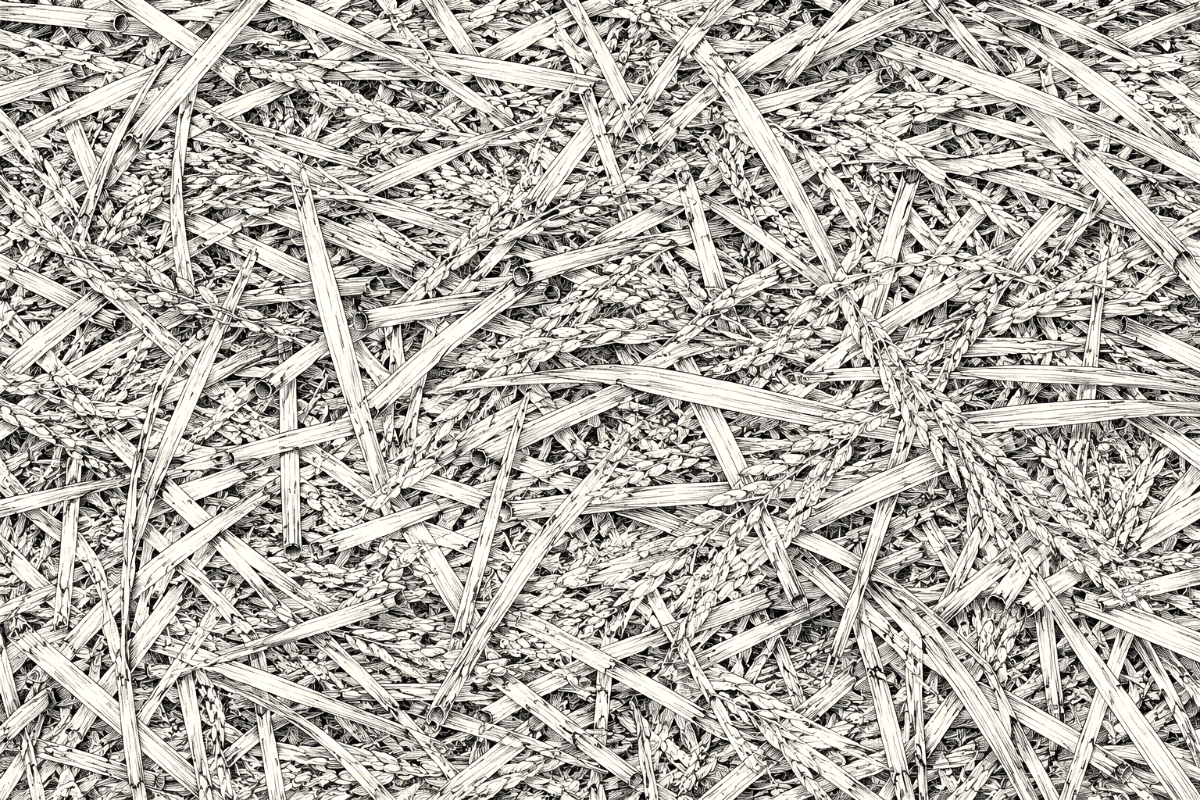
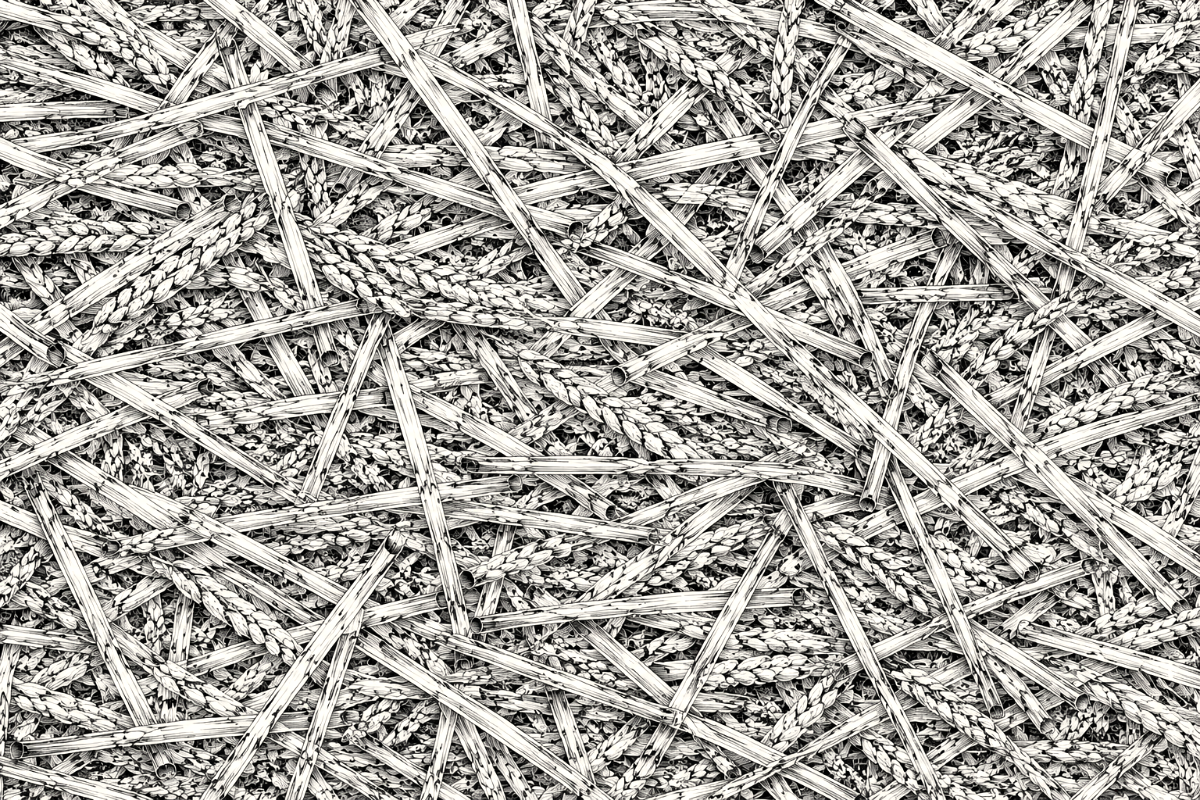
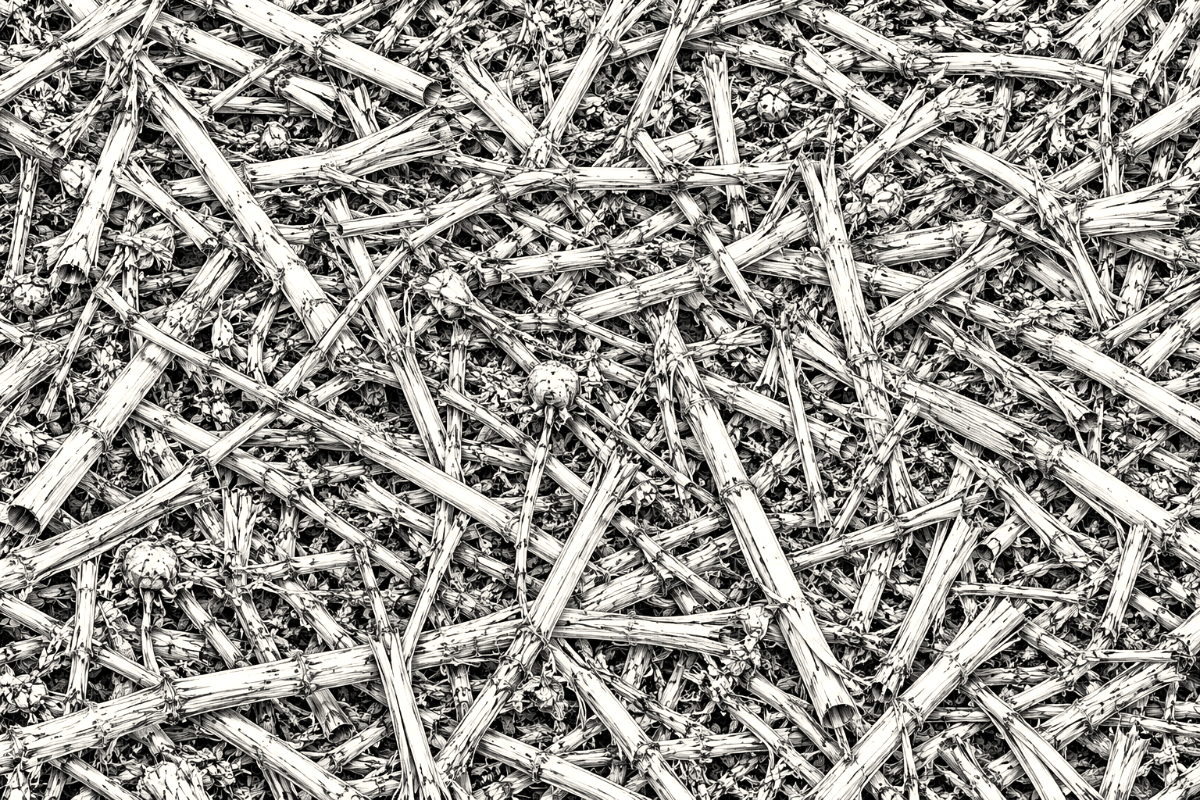
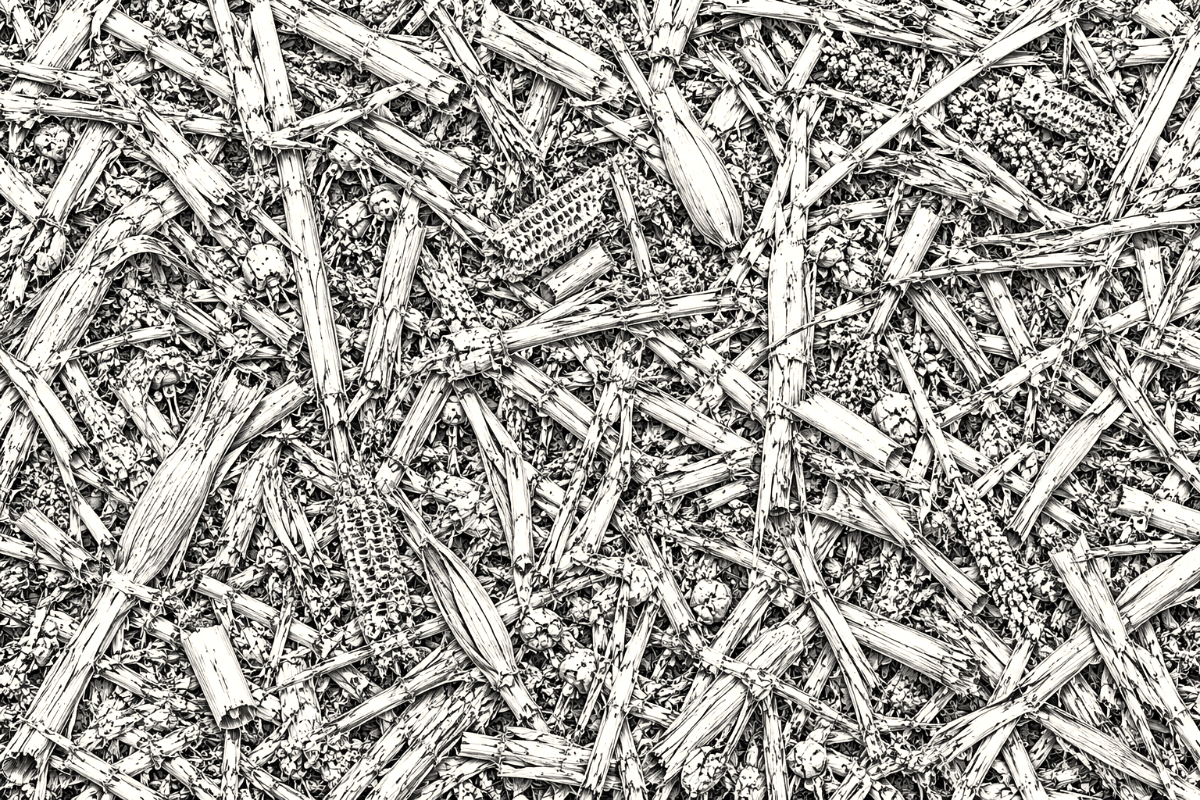
Sourced from crop residue such as
From crop residue to clean, ready-to-use fuel.
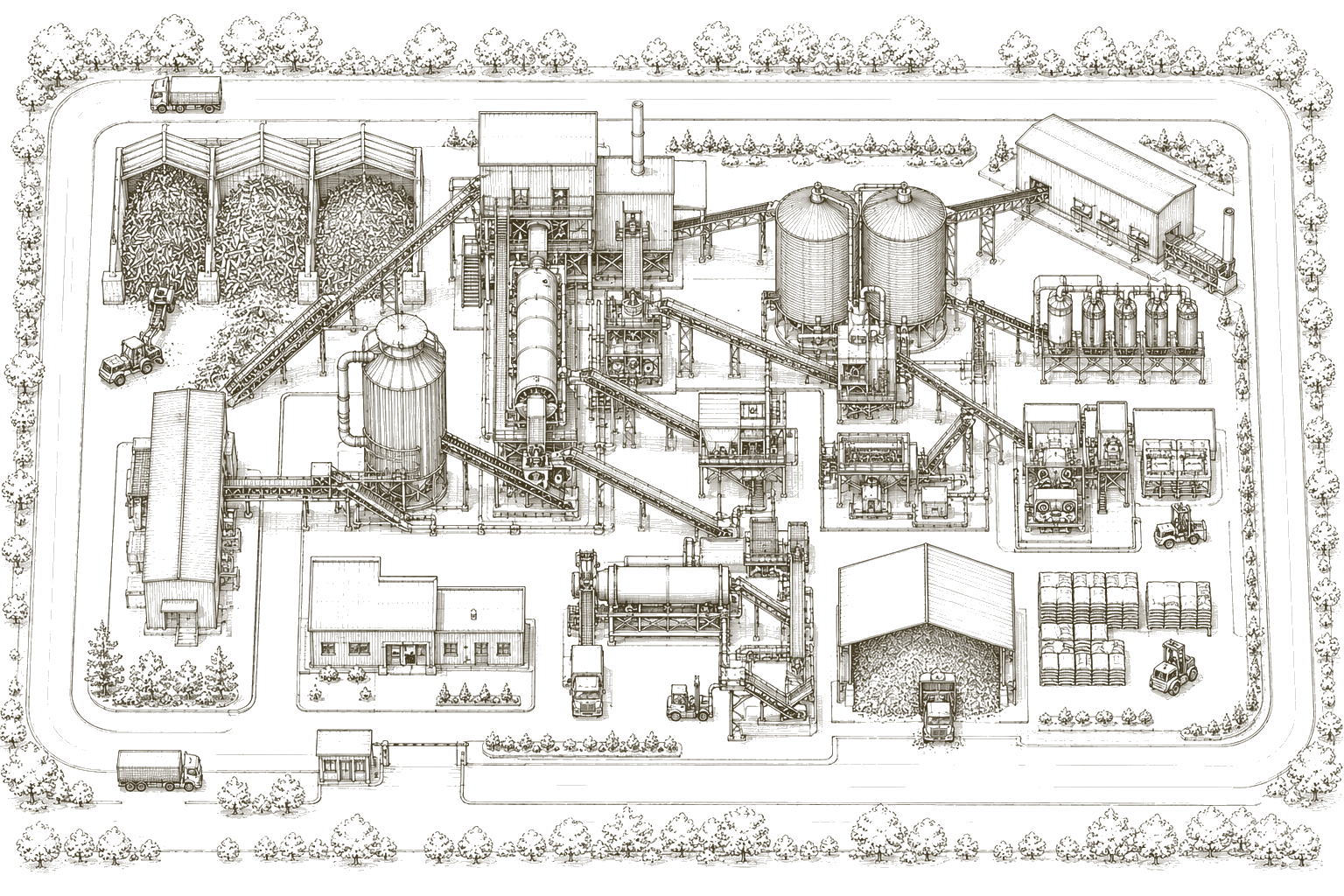
Five steps take agricultural residue straight from the farm and turn it into clean, consistent pellets, ready for power plants and industry. Scroll to follow the flow.
Feedstock Collection
Paddy and wheat straw collected from farms through FPO partnerships.
Aggregation & Drying
Residue is gathered, stored and dried to the right moisture level.
Densification
Dried straw is sized and compressed into uniform, high-density pellets.
Quality & Storage
Pellets are quality-checked and stored ready for dispatch.
Dispatch
Finished pellets delivered to power plants and industry by road and rail.
Clean fuel that industry can adopt today.
Cleaner combustion
Consistent quality with cleaner burns and lower ash than coal.
Easy to adopt
Retrofits smoothly into most existing industrial boilers and kilns.
Lower emissions
Displacing coal helps reduce carbon and improve air quality.
Value for farmers
Turns low-value agricultural waste into a new rural income stream.
Less stubble burning
Gives crop residue a productive use instead of open-field burning.
Rural jobs
Collection, processing and logistics support local employment.

What is the SAMARTH mission?
SAMARTH is a Government of India programme that promotes the use of agricultural residue in coal-based thermal power plants. It requires plants to co-fire biomass alongside coal (currently at 7%), which translates into national demand for roughly 70 million tonnes of biomass pellets a year, far more than the country produces today. For pellet makers like Zero Way, that means strong, long-term, policy-backed demand.
Biomass co-firing required across India's coal thermal power plants.
Biomass pellets needed nationally under the mandate, well above current supply.
Interested in Zero Way pellets?
For enquiries on supply, partnerships or offtake, we'd be glad to talk.